


Most people don’t think twice about what goes into a conventional tampon. But beneath that smooth cotton exterior, many mainstream products contain pesticide residues, synthetic fragrances, chlorine-bleached fibers, and plastic components that spend hours inside one of your body’s most absorbent tissues. If you’ve been searching for a genuinely safer, more sustainable option, you’re part of a fast-growing community that’s done with accepting the status quo. This guide walks you through every step of building a truly chemical-free tampon workflow, from understanding what that label actually means to selecting certified products, using them correctly, and measuring your real-world health and environmental impact.
Table of Contents
- What makes tampons truly chemical-free?
- Tools and materials for a chemical-free tampon workflow
- Step-by-step workflow for using chemical-free tampons
- Verifying health and sustainability impact
- The uncomfortable truth: No tampon is truly risk-free, but chemical-free workflows are worth it
- Explore safer, sustainable menstrual products from Tampon Tribe
- Frequently asked questions
Key Takeaways
| Point | Details |
|---|---|
| Certified matters most | Prioritize GOTS, OEKO-TEX certifications for genuine chemical-free protection. |
| Absorbency equals safety | Organic options match conventional absorbency and reduce skin irritation risks. |
| Sustainability is achievable | Biodegradable and compostable choices help you minimize your menstrual footprint. |
| Workflow impacts health | Step-by-step chemical-free practices make for safer, more comfortable periods. |
| No tampon is risk-free | Even chemical-free tampons require safe use to prevent TSS. |
What makes tampons truly chemical-free?
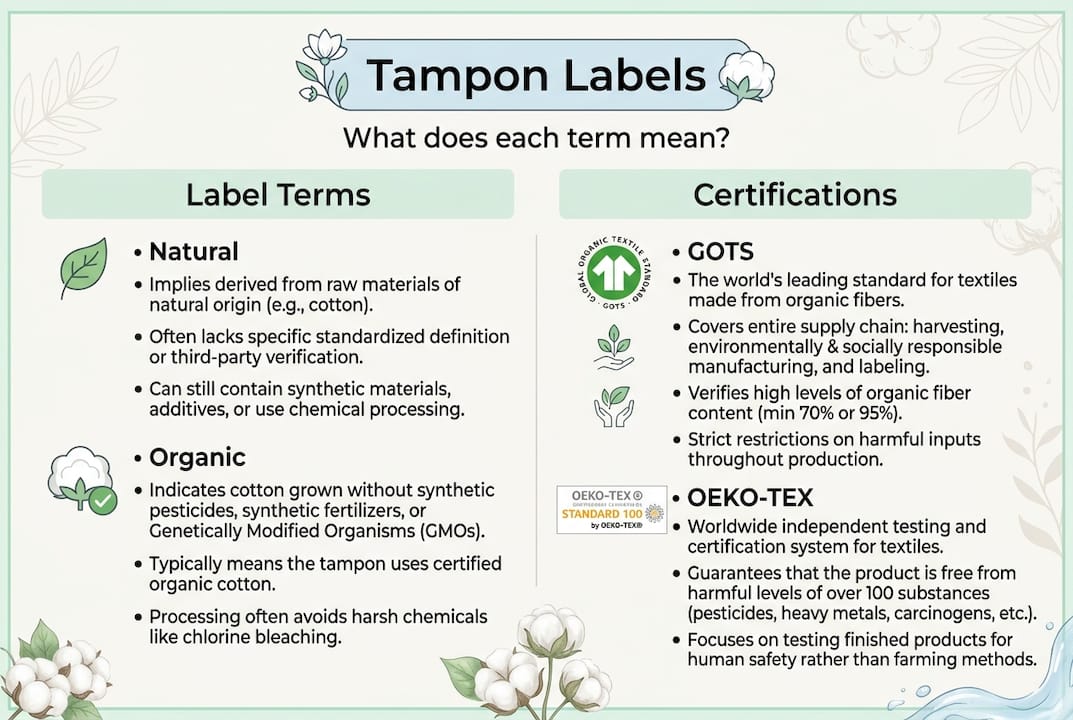
The phrase “chemical-free” gets thrown around a lot in the feminine care aisle, but it’s worth pausing to ask what it actually means. Technically, everything is made of chemicals, including water and cotton. So when we talk about chemical-free tampons, we really mean products that are free from harmful synthetic chemicals: chlorine bleach, dioxins, pesticide residues, artificial fragrances, and plastic-derived materials. That distinction matters, because a lot of marketing language is designed to sound clean without actually committing to anything specific.
Certifications are your best protection here. Two standards rise above the rest:
- GOTS (Global Organic Textile Standard): Covers the entire supply chain from farming to processing. Requires at least 70% certified organic fibers and bans most synthetic chemicals in production.
- OEKO-TEX Standard 100: Tests the final product for over 100 harmful substances, including pesticide residues, heavy metals, and formaldehyde. This is the one to look for on the label you’re actually holding.
The word “natural” has no legal definition in the U.S. feminine care industry. A tampon labeled “natural cotton” could still be grown with conventional pesticides, processed with chlorine, and wrapped in non-biodegradable plastic. Meanwhile, brands like Natracare, LOLA, and Cora commit to 100% organic cotton, third-party testing, and biodegradable construction, which is a meaningful step above vague “natural” claims.
| Label | Regulated? | What it guarantees |
|---|---|---|
| “Natural” | No | Nothing specific |
| “Organic cotton” | Partially | Cotton farming only, not processing |
| GOTS certified | Yes | Full supply chain organic standards |
| OEKO-TEX 100 | Yes | Final product tested for harmful substances |
It’s also worth addressing a nuance that sometimes gets lost in organic tampon conversations. As noted in a fact vs. fiction review of toxic tampon claims, the FDA states that all tampons on the U.S. market meet safety standards, and while organic cotton reduces farming and processing toxins, a UC Berkeley study found variable trace metal levels in tampon fibers, though absorption into body tissue was not specifically tested. There’s no proven superior health outcome in clinical terms, but lower irritation rates are widely reported anecdotally, especially among people with sensitive skin.
The bottom line is that “chemical-free” is a spectrum. Choosing GOTS or OEKO-TEX certified products gives you the most credible assurance available. To dig deeper into the connection between tampon health and sustainability, the evidence consistently points to certified organic as the gold standard over vague marketing language.
“Reading the ingredient list isn’t paranoia. It’s the same instinct that made you flip over a food package years ago — and it belongs in your period care routine too.”
Tools and materials for a chemical-free tampon workflow
Now that we’ve defined what chemical-free means, let’s turn to what you’ll need to get started. Building an effective workflow isn’t complicated, but it does require knowing what to look for before you buy.
Here’s a practical checklist for your starting toolkit:
- Certified organic cotton tampons (GOTS or OEKO-TEX certified, no synthetic fibers)
- Plastic-free or cardboard applicators, or applicator-free designs
- Biodegradable, plastic-free packaging (look for paper or compostable wrappers)
- A range of absorbency options to match your flow on different days
- A small pouch or tin for carrying tampons without plastic bags
Absorbency is one area where people sometimes worry that organic tampons won’t perform. The data says otherwise. Organic tampons tested by independent consumer organizations match conventional absorbency rates, with Tom Organic scoring 63% absorbency and 70% cord strength in standardized testing, comparable to mainstream brands. They’re also hypoallergenic, which matters enormously for anyone prone to irritation or recurring infections.
Absorbency guide by flow:
| Flow level | Absorbency | Recommended product type |
|---|---|---|
| Light | 6g or less | Regular or lite organic tampon |
| Moderate | 6 to 9g | Regular or super organic tampon |
| Heavy | 9 to 12g | Super organic tampon |
| Very heavy | 12g or more | Super plus organic tampon |
Brands worth knowing include Natracare (UK-founded, widely available, fully compostable), LOLA (subscription-friendly, OEKO-TEX certified, good absorbency range), and Cora (known for applicator-free and cardboard applicator designs). Each offers a meaningful commitment to transparency that goes beyond typical marketing claims.
Pro Tip: If you’re new to applicator-free tampons, start with a moderate flow day when you have time and privacy to get comfortable with the insertion technique. Many people find it becomes second nature within one or two cycles.
For a broader breakdown of what’s available, the guide to eco-friendly tampon types covers the full landscape, and if you want more detail on which options work best for specific health needs, the overview of health-conscious menstrual options is a strong next read.
Material safety also means thinking about skin sensitivity. Organic cotton contains no synthetic fragrances, which are among the most common irritants in conventional tampons. It’s also free from the rayon-based fibers that are sometimes linked to TSS (toxic shock syndrome) risk factors. That said, TSS risk exists with any tampon, which is covered in detail in the next section.
Step-by-step workflow for using chemical-free tampons
With your eco-friendly tools and materials ready, here’s how to use them safely and effectively. This workflow is designed to protect both your health and the environment at every stage.
1. Choose the right absorbency for your flow. Always match the tampon to your current flow, not your heaviest possible day. Using a higher absorbency than necessary increases TSS risk and can cause dryness and irritation. Start with regular on lighter days and move to super or super plus only when needed.
2. Wash your hands thoroughly before inserting. This applies to any tampon, but it’s especially worth noting for applicator-free designs where your fingers do more of the work. Clean hands prevent bacteria from entering the vaginal canal.
3. Insert with relaxed muscles. Tension makes insertion uncomfortable. Take a slow breath, find a comfortable position (one foot on the toilet, squatting, or standing with knees slightly bent all work), and insert at a slight upward angle toward your lower back. For applicator-free tampons, push to your first knuckle and the tampon should sit comfortably above the pelvic floor.
4. Set a timer for removal. Change your tampon every 4 to 8 hours regardless of flow level. This is non-negotiable for TSS prevention. As Cora’s product guidelines emphasize, all tampons, including organic and applicator-free designs, carry TSS risk if left in too long. Organic status does not change this biology.
5. Check for comfort throughout the day. If you feel the tampon at any point, it may not be inserted far enough. Remove, discard, and try again with a fresh one. Discomfort is always a signal worth listening to.
6. Dispose of thoughtfully. Wrap used tampons in toilet paper and place in a trash bin. Never flush. Even compostable tampons should not be flushed because they can block pipes. If your brand’s tampon is compostable (check the packaging), it can go into a home compost system, though municipal composting programs vary on acceptance.
“The best tampon workflow is one you’ll actually stick to. Simplicity and consistency matter more than perfection.”
For more on building habits that support your body and the planet, the guide on natural menstrual care tips offers practical, cycle-specific advice that complements this workflow well.
Pro Tip: Keep a small notepad or use your phone’s notes app to jot down how each brand feels over two or three cycles. Organic tampons from different brands vary in fiber density and expansion style, and tracking your experience helps you find the right fit faster.
Verifying health and sustainability impact
After mastering the workflow, you’ll want to measure and optimize your impact. This is where a lot of people stop, but it’s genuinely worth taking 10 minutes every few months to evaluate how your choices are working.
Tracking your health outcomes:
- Note any reduction in vaginal irritation, dryness, or unusual discharge after switching to organic
- Track whether yeast infections or bacterial vaginosis episodes have decreased
- Notice changes in cramping or sensitivity around tampon use
- Keep a record of any allergic reactions, even minor ones like itching
These aren’t clinical data points, but your own body’s response over time is meaningful information. Many people who switch to chemical-free options report fewer infections and less end-of-day discomfort, even if the scientific literature hasn’t caught up with controlled studies on that specific question.
Environmental impact checklist:
- Are your tampon wrappers plastic-free?
- Is the applicator cardboard, plant-based, or absent entirely?
- Is the tampon core certified organic cotton (biodegradable)?
- Is your outer packaging recyclable or compostable?
- Are you disposing of used tampons in trash (not flushed)?
The lifecycle environmental impact of menstrual products has been studied in detail. Each disposable tampon contributes approximately 0.018kg CO2e to your carbon footprint through production, packaging, and disposal. That adds up fast across a lifetime of periods. Organic cotton farming uses significantly less water and zero synthetic pesticides compared to conventional cotton, and biodegradable organic tampons break down naturally in landfill conditions rather than persisting as plastic waste for centuries.
| Factor | Conventional tampon | Certified organic tampon |
|---|---|---|
| Pesticide residues | Present (farming) | Absent (certified farms) |
| Biodegradable core | No (rayon/polyester) | Yes (cotton) |
| CO2e per tampon | ~0.018kg | ~0.018kg (similar) |
| Packaging | Often plastic | Paper/compostable |
| Composting possible | No | Yes (some brands) |
Some brands, including Natracare, produce pads and liners that can go into home compost bins after use. Tampons are generally harder to compost at home due to the volume of blood-soaked material, but the option exists for those with appropriate composting setups. For a fuller picture of how your choices stack up environmentally, the breakdown of menstrual products’ environmental impact and a closer look at how period products affect the environment are both worth bookmarking.
The uncomfortable truth: No tampon is truly risk-free, but chemical-free workflows are worth it
Here’s something we think is important to say clearly: switching to organic tampons is not a magic fix. The FDA’s position, backed by the Toxic Tampons: Fact vs. Fiction analysis, is that all U.S. market tampons meet established safety standards. Variable trace metal levels have been detected in organic tampon fibers in research settings, and no study has definitively proven that organic tampons produce superior clinical health outcomes over conventional ones.
So why do we stand behind chemical-free workflows anyway? Because the trade-offs still favor it. Lower irritation is real for sensitive users. Avoiding synthetic fragrance eliminates a known allergen class entirely. Reducing pesticide exposure through your purchasing choices contributes to healthier agricultural systems. And eliminating plastic packaging genuinely reduces your personal contribution to ocean and landfill pollution.
Staying adaptive matters too. The organic feminine care space is evolving fast. New certifications, better lifecycle data, and improved product designs are emerging every year. The wisest approach is to stay curious, keep reading, and never let any single brand’s marketing be the final word on what’s safe or sustainable. Eco-friendly menstrual choices reward informed, ongoing attention, not just a one-time swap.
Explore safer, sustainable menstrual products from Tampon Tribe
If you’re ready to put this workflow into practice, Tampon Tribe makes it straightforward to find the certified organic products that fit your flow and your values.
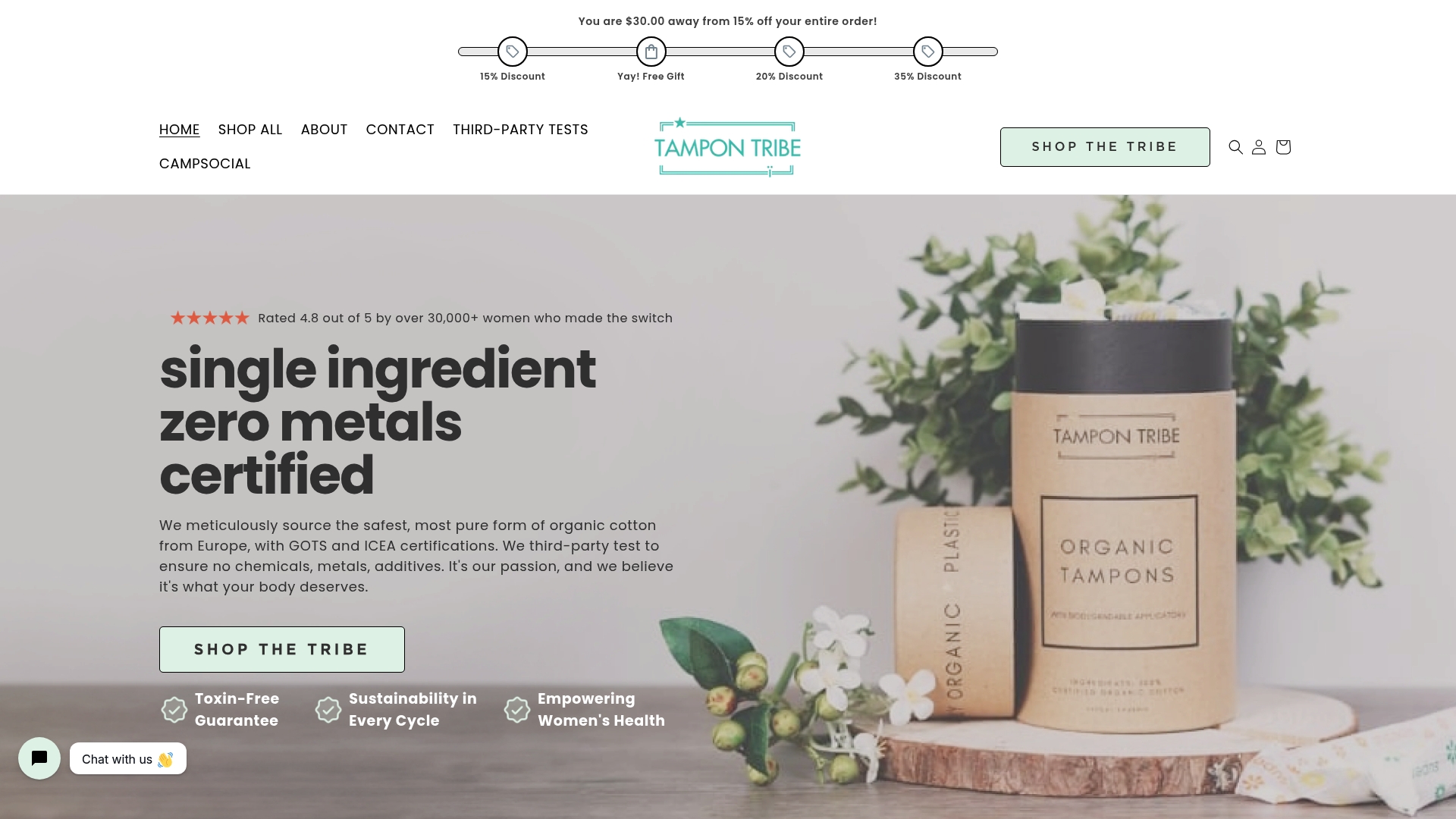
You can browse the full range of organic cotton tampons with plastic-free packaging designed for every absorbency level. If you want to simplify your period prep, organic subscription tampon boxes let you customize your monthly mix so the right tampons arrive before you need them. And if you’re still deciding whether to make the switch, the dedicated switch to natural tampons page walks you through exactly what to expect. No plastic. No synthetic chemicals. Just products that respect your body and the planet.
Frequently asked questions
What certification should I look for on chemical-free tampons?
Look for GOTS or OEKO-TEX certifications because these third-party standards go beyond vague “natural” claims and cover the full production process. Brands like Natracare, LOLA, and Cora are good examples of certified, transparent options.
Are organic tampons less likely to cause irritation?
Yes, organic tampons are hypoallergenic and carry a lower irritation risk for sensitive skin because they contain no synthetic fragrances or chemical additives that are common irritants in conventional products.
Can I compost my used organic tampons?
Some organic tampons and pads are compostable in home systems, but you should always check your specific brand’s guidelines because composting used menstrual products requires the right setup and not all municipal programs accept them. Lifecycle research confirms biodegradable organic cotton breaks down naturally.
Do chemical-free tampons protect against TSS?
No, even chemical-free tampons carry a TSS risk if left in longer than 8 hours. Organic status does not change the biological mechanism behind toxic shock syndrome, so the 4 to 8 hour change rule applies to all tampon types.
Are there eco-friendly options for heavy flow?
Yes, super and super plus organic cotton tampons are available from multiple certified brands, so heavy flow is no barrier to switching to a fully chemical-free, plastic-free menstrual routine.