


Your period shouldn’t feel like a negotiation between what’s good for your body and what’s good for the planet. Yet millions of people face exactly that dilemma every month, scanning ingredient labels, weighing costs, and wondering if their go-to products are quietly doing harm. The good news: natural, sustainable period care has never been more accessible or better researched. This guide walks you through how to pick safer products, ease your symptoms without medication, and build a routine that works with your body and your values, not against them.
Table of Contents
- How to choose the best natural menstrual care options
- Top eco-friendly menstrual products: features and comparisons
- Natural pain relief and symptom management strategies
- Building your sustainable care routine: daily and period practices
- Our take: Why small, consistent changes matter more than going ‘all-natural’
- Discover gentle, sustainable period care with Tampon Tribe
- Frequently asked questions
Key Takeaways
| Point | Details |
|---|---|
| Prioritize reusable options | Switching to menstrual cups or cloth pads cuts waste and saves money over time. |
| Combine natural remedies | Heat, exercise, and an anti-inflammatory diet offer safe symptom relief during your period. |
| Test and customize | Track your cycle and try different products and routines to find your best fit. |
| Progress over perfection | Every eco-friendly change counts—gradual transitions are more sustainable for most people. |
How to choose the best natural menstrual care options
Let’s begin by understanding what defines a natural and sustainable period care choice. There’s no single answer, because the best option depends on your body, your lifestyle, and your goals. But five core criteria can guide every decision you make.
- Safety: Look for products free from synthetic fragrances, chlorine bleach, dioxins, and plastic-derived chemicals. Organic cotton is a strong baseline.
- Sustainability: Consider the full product life cycle, from raw materials to packaging to disposal. Sustainable menstruation choices extend beyond the product itself.
- Comfort: Absorbency, fit, and material all affect how you feel. A product you ditch after one cycle isn’t sustainable no matter how eco-friendly it claims to be.
- Cost-effectiveness: Reusables cost more upfront but pay off quickly. A menstrual cup can break even after 1 month of use compared to disposables.
- Accessibility: Think about your daily environment. Do you have access to clean water for rinsing? Can you store or carry reusables discreetly?
The organic period product impact on both personal health and environmental footprint is real. Conventional disposables often contain traces of synthetic chemicals that accumulate over years of use. Reusables, especially cups and reusable pads, sidestep this issue entirely.
Factors like flow intensity, skin sensitivities, and whether you have a physically active lifestyle or limited bathroom access all shape your best-fit product. A heavy flow might call for a high-capacity cup plus a backup reusable liner. A lighter flow might be easily managed with organic cotton tampons alone.
Pro Tip: Don’t try to overhaul everything at once. Swap out one product, use it for a full cycle or two, then reassess before adding another change. This gradual approach makes transitions feel manageable and helps you identify what actually works for your body.
Top eco-friendly menstrual products: features and comparisons
Once you know your criteria, explore these top eco-friendly product options. The market has expanded significantly, giving you real choices that align with both health and environmental goals.
Menstrual cups are widely considered the gold standard for sustainability. Life cycle analysis shows menstrual cups have the lowest environmental impact, followed by period underwear and reusable pads, while disposable pads rank worst. Cups collect rather than absorb, so they’re suitable for most flow levels, and silicone-free menstrual cups are also available for those with sensitivities.
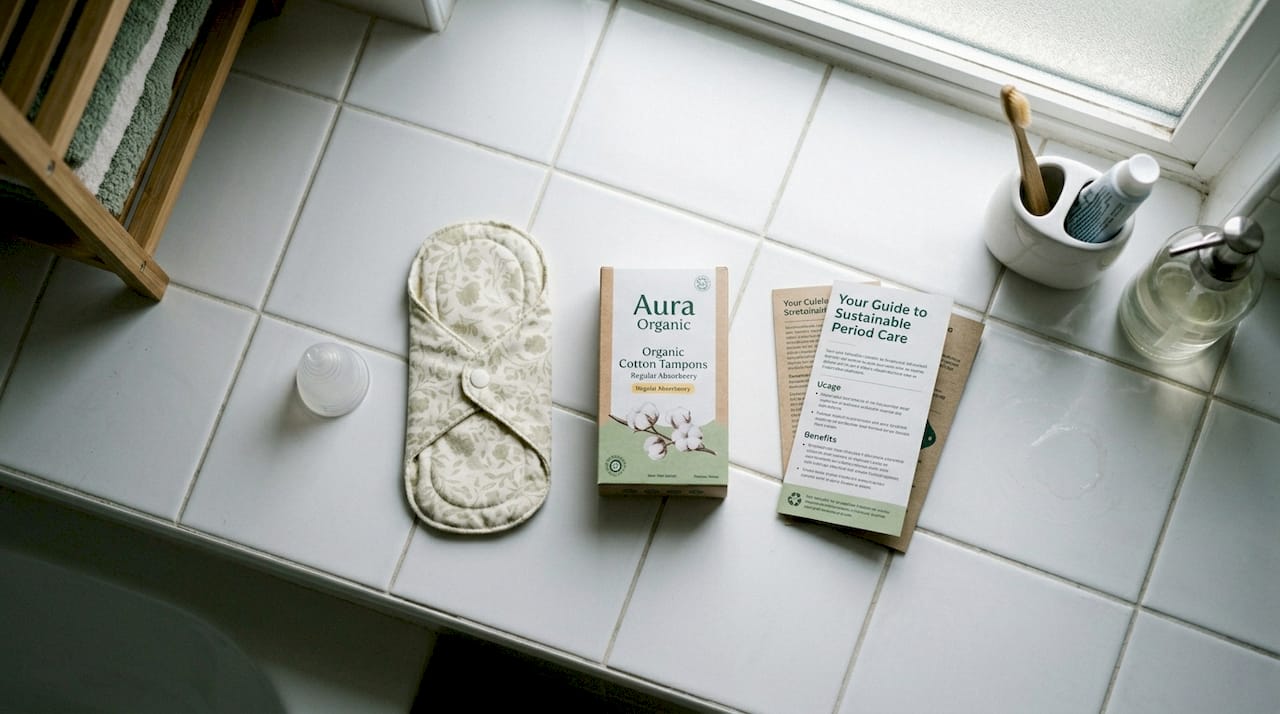
Period underwear has surged in popularity for its comfort and discreetness. It works well as a backup or standalone product for lighter days.
Reusable cloth pads are a familiar format for anyone who uses disposable pads, just washable and long-lasting. They’re gentle on sensitive skin and generate zero single-use waste.
Organic cotton disposables remain a solid choice when reusables aren’t practical. They’re a cleaner swap from conventional options, though they’re still single-use. Bamboo pulp pads go a step further: research shows they have 1.1 to 2.3 times lower impacts than conventional plastic pads.
| Product | Upfront cost | Lifespan | Environmental impact | Best for |
|---|---|---|---|---|
| Menstrual cup | $25-$45 | Up to 10 years | Lowest | Most flow types |
| Period underwear | $20-$45 | 2-5 years | Low | Light to medium flow |
| Reusable cloth pads | $10-$25 each | 5+ years | Low | Pad users, sensitive skin |
| Organic cotton tampons | $8-$14/box | Single-use | Medium | Active lifestyles |
| Bamboo pulp pads | $8-$16/pack | Single-use | Lower than plastic | Eco-conscious pad users |
Check the menstrual products’ environmental impact breakdown for a deeper look at what goes into each product category. And if you’re new to cups, a menstrual cup usage guide can make your first experience far less intimidating.
Natural pain relief and symptom management strategies
Next, relieve symptoms naturally with these proven strategies. Cramps, fatigue, and bloating don’t have to be managed with medication alone. A growing body of clinical evidence supports non-drug approaches that are both safe and effective.
- Apply heat. Heat relaxes uterine muscles and reduces cramp severity. A heating pad or warm water bottle applied to your lower abdomen for 15 to 20 minutes offers fast relief.
- Move your body. Exercise increases endorphins and blood flow, making it one of the highest-ranked non-drug treatments for cramps. Even a short walk helps.
- Brew herbal tea. Ginger, chamomile, and peppermint teas reduce inflammation and help ease both pain and digestive discomfort.
- Eat anti-inflammatory foods. Focus on leafy greens, omega-3 rich foods like salmon and flaxseed, and iron-rich options to replenish what you lose during your period.
- Try acupuncture or moxibustion. These traditional therapies rank high for pain reduction in clinical trials, and heat therapy has been found comparable or even superior to NSAIDs (non-steroidal anti-inflammatory drugs) with fewer side effects.
“Combining heat therapy, movement, and herbal support gives your body multiple pathways to reduce pain without relying solely on over-the-counter medication.”
Severe period pain that disrupts your daily life deserves medical attention. It can signal conditions like endometriosis or fibroids, both of which benefit from early diagnosis and care. Natural remedies are powerful tools for typical discomfort, not a substitute for professional evaluation when something feels seriously wrong.
Pro Tip: Start tracking your cycle using a simple app or notebook. Knowing your symptom patterns lets you set up heat packs, prep herbal teas, and plan lighter exercise days before the worst symptoms hit. Explore health-conscious period options that pair well with a symptom-first care approach.
Building your sustainable care routine: daily and period practices
Once you’ve selected your products and strategies, build these into your ongoing care routine. Sustainable period care isn’t just about what you use during your flow. It’s about how you support your body across the entire cycle.
Tracking your cycle helps you anticipate symptoms and prepare products in advance, so you’re never caught off guard. Once you see your patterns, you can plan meals, product changes, and rest days with intention.
| Phase | Focus area | Sustainable habit |
|---|---|---|
| Follicular (days 1-13) | Energy building | Anti-inflammatory breakfast, light exercise |
| Ovulation (day 14) | Peak activity | Stay hydrated, continue iron-rich foods |
| Luteal (days 15-28) | Prep for period | Stock reusable products, reduce sugar |
| Menstrual (days 1-5) | Comfort and care | Heat therapy, herbal teas, rest |
The environmental impact of period products adds up over a lifetime of periods. Small consistent shifts in your routine genuinely matter at scale.
Helpful habits for a more sustainable period routine:
- Prep your kit a few days before your period is due. Have your reusables clean and ready.
- Eat more iron and magnesium in the days leading up to your period to reduce fatigue and muscle tension.
- Reduce alcohol and caffeine during your luteal phase, both can worsen bloating and mood swings.
- Use cold water to rinse reusable pads before washing. It prevents staining and extends fabric life.
- Store products properly. Cups and cloth pads last longest when stored in breathable cotton bags, not sealed plastic containers.
Our take: Why small, consistent changes matter more than going ‘all-natural’
Let’s wrap up with a realistic look at what makes sustainable period care achievable for everyone. Here’s an uncomfortable truth: the pressure to go fully natural, fully zero-waste, all at once, stops more people from starting than it helps.
We’ve seen it repeatedly. Someone buys a menstrual cup, has a steep learning curve, gets frustrated, and goes back to conventional products entirely. The all-or-nothing framing fails people. Progress over perfection isn’t just a nice saying, it’s genuinely the more effective strategy.
Switching one product and sticking with it builds a real habit. That habit becomes a foundation. Sustainable period care is more accessible when you give yourself permission to move at your own pace, especially if you’re working within a tight budget or navigating limited bathroom access.
Access to clean water matters. So does cost. Acknowledging these real barriers is part of having an honest conversation about better menstrual impact. Natural period care should be flexible enough to meet you where you are, not where an idealized version of you might be.
The goal isn’t purity. It’s finding the combination of products, habits, and remedies that genuinely work for your body, your schedule, and your values.
Discover gentle, sustainable period care with Tampon Tribe
If you’re ready to take the next step toward a healthier, natural period routine, we’d love to help you find your fit.
At Tampon Tribe, everything is designed with your body and the planet in mind. Our organic cotton tampons are free from synthetic chemicals, chlorine, and plastic applicators. Our reusable organic pads are soft, washable, and built to last. Every product ships in totally plastic-free packaging because saving the turtles isn’t just a tagline for us. Ready to make the shift? Explore what it means to switch to natural tampons and take the first step toward a cleaner, gentler cycle.
Frequently asked questions
What are the best natural ways to relieve period cramps?
Heat therapy relaxes uterine muscles, exercise boosts endorphins to reduce pain, and ginger or chamomile teas ease inflammation, making these three the most accessible and effective natural options for most people.
Are reusable period products really more eco-friendly than disposables?
Yes. Life cycle studies show cups and reusable pads have the lowest environmental impact of any menstrual product, and they can last up to 10 years with proper care.
Can diet choices affect period symptoms?
Absolutely. An anti-inflammatory, iron-rich diet can meaningfully reduce bloating, fatigue, and cramp intensity during your cycle.
How can I start transitioning to natural period care?
Swap one product at a time and track how your body responds, using the approach supported by combining reusable products with lifestyle adjustments for a gradual, comfortable transition.
When should I see a doctor for period pain?
If your pain is severe or interferes with daily activities, see a provider, as it may signal secondary dysmenorrhea (a medical condition causing painful periods) like endometriosis or fibroids.
Recommended
- Sustainable Menstruation: Eco-Friendly Choices for Healthier Cycles – Tampon Tribe
- Top health-conscious menstrual options for safer periods – Tampon Tribe
- How menstrual products impact the environment: greener choices – Tampon Tribe
- How organic period products impact health & sustainability – Tampon Tribe