


You reach for a pad labeled “eco-friendly” and feel good about your choice, but then you flip the package over and find a list of materials you can’t decode. That experience is incredibly common, and it’s one of the biggest frustrations for anyone trying to build a genuinely low-waste period routine. Compostable period products can meaningfully cut plastic waste from your cycle, but the gap between what marketing says and what certifications actually confirm is wide. This guide breaks down exactly what to look for, which products stand out, and how to match the right option to your life.
Table of Contents
- How to recognize compostable hygiene products
- Best compostable hygiene products: The complete list
- Compostable hygiene products head-to-head: Comparison table
- Choosing your best fit: What matters most in real life
- Why ‘compostable’ isn’t always clear, and how to really lower your waste
- Discover more eco-friendly period solutions
- Frequently asked questions
Key Takeaways
| Point | Details |
|---|---|
| Certified matters most | Compostable claims only count if the product has credible certifications like EN 13432. |
| Not all products suit home compost | Most pads require industrial composting and used pads shouldn’t go in your backyard bin. |
| Plant-based equals performance | Top bamboo and organic options absorb as well as regular pads and create less pollution. |
| Consider your lifestyle | Match your choice to your compost setup, skin needs, and convenience, not just buzzwords. |
How to recognize compostable hygiene products
Not every product that calls itself “biodegradable” or “compostable” earns that title equally. These words are used loosely in marketing, and they don’t always mean what you think they do. Understanding the real criteria helps you shop with confidence instead of hope.
Biodegradable vs. compostable: What’s the difference?
Biodegradable just means a material will eventually break down. Everything technically biodegrades, even plastic, given enough time. Compostable means a product breaks down into non-toxic components within a specific timeframe under specific conditions. That’s a much higher standard, and it’s the one that actually matters for waste reduction. When you check out an eco period product checklist, look for compostable certifications rather than generic biodegradable claims.
What certifications actually mean
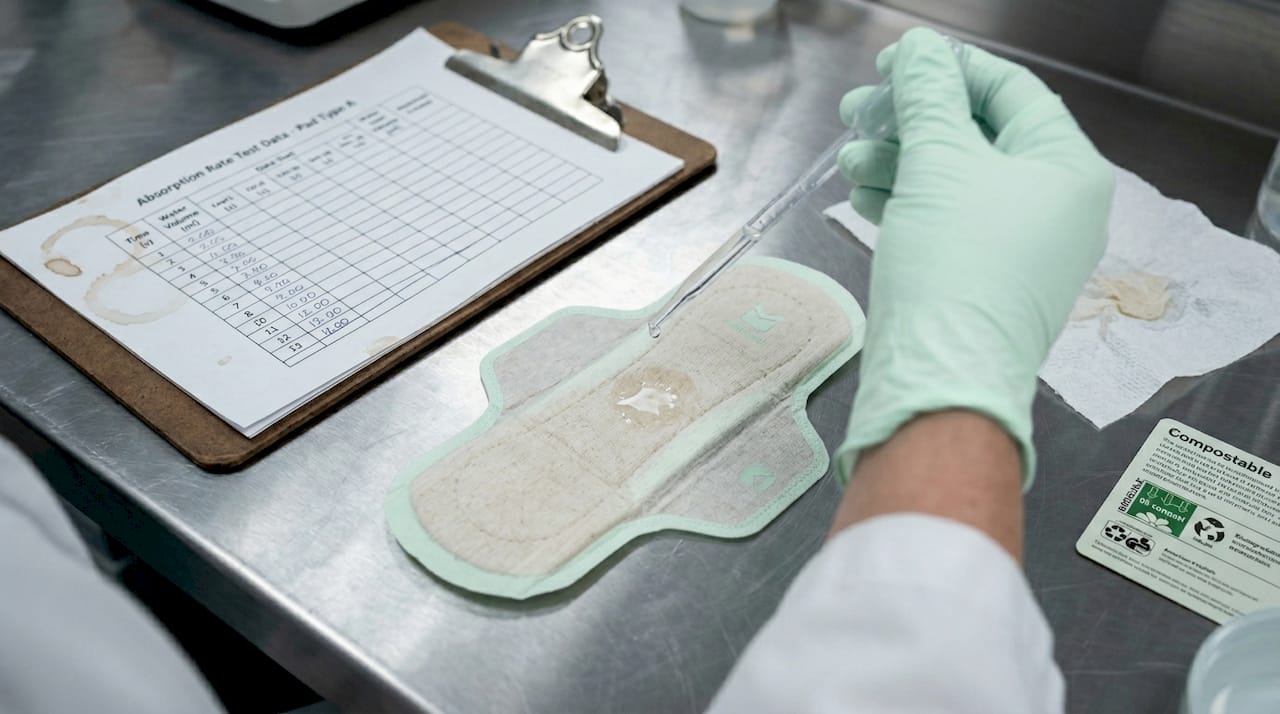
The gold standard for commercial compostable products in Europe is EN 13432, a certification that confirms a product breaks down within 12 weeks under industrial composting conditions. In the US, the BPI (Biodegradable Products Institute) certification serves a similar function. Natracare pads are 100% biodegradable and commercially compostable to EN 13432 standards, made with organic cotton, PEFC certified wood pulp, and home compostable biopolymer. That kind of full-material transparency is what you want to see.
Here are the core things to check before you trust a “compostable” label:
- Look for EN 13432 or BPI certification printed on the packaging
- Confirm whether the certification is for home or industrial composting
- Check if every component, including the wrapper and backing layer, is included in the certification
- Verify that organic cotton claims come with a recognized standard like GOTS (Global Organic Textile Standard)
- Distinguish between “plant-based” (the origin of materials) and truly compostable (verified breakdown)
The home composting challenge
Industrial composting facilities reach high temperatures and maintain controlled conditions that home compost bins simply can’t replicate. Not all organic cotton pads are fully compostable; some have waterproof backings that prevent home composting, requiring industrial facilities. Beyond the backing layer, there’s the hygiene factor. Menstrual blood in a home compost pile raises legitimate concerns about pathogen management, which is why most experts recommend industrial composting for used period products. Understanding how period products affect the environment means looking at the whole disposal picture, not just the fiber content.
The truth about “plant-based” claims: A pad can be made from 100% plant materials and still not be compostable if it includes synthetic waterproof films or adhesives. Always trace every layer of the product before trusting the label.
Best compostable hygiene products: The complete list
With the criteria in mind, here are the leading compostable period products you can trust. These options stand out because of their material sourcing, third-party certifications, and real transparency about what’s compostable and what isn’t.
Natracare organic pads and tampons
Natracare is one of the most established names in certified compostable period care. Their pads use organic cotton, PEFC-certified wood pulp for absorbency, and a home compostable biopolymer backing made from non-GMO corn starch. Every component is accounted for in their EN 13432 certification. Natracare also offers tampons with no plastic applicators, no synthetic fibers, and cardboard packaging that’s fully recyclable. This brand suits people who want maximum certification transparency and a long product track record.
Key benefits:
- EN 13432 certified for commercial composting
- Home compostable backing layer (one of very few that qualifies)
- GOTS certified organic cotton
- No chlorine bleaching, no dyes, no fragrances
Bamboo pulp pads
Bamboo is one of the fastest-growing plants on earth, requiring no pesticides and very little water. Bamboo pulp sanitary pads have 1.1 to 2.3 times lower environmental impacts than conventional pads across categories like global warming potential and water scarcity. Brands using certified organic bamboo pulp for their absorbent core deliver a meaningful lifecycle advantage over plastic-based alternatives. Look for brands that verify compostability of every layer, not just the bamboo core.
Key benefits:
- Significantly lower carbon footprint per lifecycle analysis
- Naturally antibacterial properties in the fiber
- Soft texture, ideal for sensitive skin
- Works well for light to moderate flow days
Organic cotton tampons without plastic applicators
Tampons are a strong contender for your most compostable period product since they don’t have backing layers or adhesive strips. Organic cotton tampons with cardboard or no applicators break down readily in commercial composting. Brands like Tampon Tribe use 100% certified organic cotton with zero plastic in the product or packaging, making them one of the most sustainable menstruation choices available.
Key benefits:
- No plastic applicator means the whole product is compostable
- Organic cotton free from pesticide residue
- Minimal packaging with cardboard or no wrapper
- Suitable for people with sensitivities to synthetic materials
Pro Tip: If you’re new to applicator-free tampons, start on a lighter flow day to get comfortable with insertion, then work up to heavier days.
Organic cotton pads without waterproof backing
Some brands offer pads that skip the waterproof plastic film entirely and use organic cotton throughout. These are rare but do exist, and they’re the only pad format genuinely suitable for home composting when unused. They tend to work best for light days or as overnight backup protection.
Compostable hygiene products head-to-head: Comparison table
To make your decision easier, here’s a head-to-head comparison of the most compostable hygiene products.
| Product type | Main material | Home compostable | Industrial compostable | Key certification | Best for |
|---|---|---|---|---|---|
| Natracare pads | Organic cotton, wood pulp, biopolymer | Yes (backing) | Yes | EN 13432 | Zero-waste homes |
| Bamboo pulp pads | Bamboo fiber | Partial (check brand) | Yes | Varies by brand | Sensitive skin, eco impact |
| Organic cotton tampons | Organic cotton | Yes (product only) | Yes | GOTS, BPI varies | Minimal waste, all flows |
| Cardboard applicator tampons | Organic cotton, cardboard | Yes | Yes | GOTS | Applicator users |
| Cotton pads, no backing | Organic cotton | Yes | Yes | GOTS | Light days, zero-waste |
| Conventional pads | Plastic, synthetic | No | No | None | Not recommended |
Natracare maxi pads showed 98% retention at 5mL and 98% at 10mL in independent absorption tests, proving that certified compostable pads don’t sacrifice performance. That’s a critical data point because one of the biggest hesitations people have is whether eco products actually work as well. They do.
Plant-based pads match or exceed conventional absorbency and retention in empirical tests while bamboo and organic options reduce lifecycle impacts significantly across multiple environmental categories. The science backs up the switch. You can dig deeper into menstrual products impact to see how those lifecycle numbers break down across your whole cycle. For a broader look at how material choices translate to health and sustainability outcomes, the research on organic period products impact is worth your time.
Choosing your best fit: What matters most in real life
With the options compared, here are practical steps for making the right compostable hygiene choice for you. There’s no single answer that fits every body or every household, so the goal is to match product features to your actual setup.
-
Figure out your composting situation first. Do you have access to a curbside industrial composting program? If yes, any EN 13432 certified product qualifies. If you only have a home compost bin, you need products with home compostable certification on every layer, and you’ll need to think carefully about used products.
-
Check your flow and absorbency needs. Compostable doesn’t mean less absorbent, but product ranges do vary. Natracare and bamboo brands both offer light, regular, and heavy options. Match the absorbency to your actual flow, not just what you assume you need.
-
Consider your skin sensitivity. If you’ve ever had a rash or irritation from conventional pads, organic cotton and bamboo products often resolve that immediately. No synthetic fragrances, no dyes, and no chlorine bleaching make a real difference for sensitive skin.
-
Read every layer of the product description. A pad with a compostable top sheet but a plastic adhesive backing is not fully compostable. Ask brands directly if the answer isn’t clear on their website.
-
Start with one product category. If you use both pads and tampons, switching your tampons first is the easiest entry point because applicator-free organic tampons are the simplest format to compost. Then work toward replacing pads.
Compostability varies: industrial certifications like EN 13432 or BPI enable commercial composting, but home composting requires specific conditions, and used pads may contaminate compost due to blood. Knowing this upfront means you won’t feel frustrated if your local compost facility has different rules. Check in with your local waste program to understand what they accept.
Pro Tip: Wrap used period products in newspaper before placing them in an industrial compost bin. This helps contain moisture and makes the process easier for facility workers while still allowing breakdown. For more practical day-to-day guidance, eco period care tips covers the full spectrum of sustainable cycle habits.
Why ‘compostable’ isn’t always clear, and how to really lower your waste
Here’s something the broader eco conversation doesn’t say loudly enough: the word “compostable” on a package is often aspirational rather than operational. The product might be technically compostable under perfect industrial conditions, but if you don’t live near a certified composting facility, that label means very little for your actual waste footprint.
This is where the framing around compostable period products can quietly mislead even the most informed shoppers. You do everything right. You buy the certified pad, you feel good about it, and then it goes into your regular trash because there’s no industrial composting drop-off anywhere near you. The certification was real, but the impact wasn’t because the infrastructure wasn’t there to support it.
That doesn’t mean certified compostable products are worthless. It means the first question you should ask isn’t “is this compostable?” It’s “can I actually compost this where I live?”
What genuinely lowers your waste footprint in the real world is a combination of factors. Choosing products with zero plastic in the product itself, like clean period products made with organic cotton and no synthetic films, eliminates microplastic contamination regardless of how you dispose of them. Choosing minimal or recyclable packaging reduces landfill contribution even without composting access. Choosing organic cotton removes pesticide runoff from the agricultural chain that grows your period product.
Progress matters more than perfection. If you can’t compost, choosing plastic-free is still a significant win. If you can compost industrially, even better. The eco-conscious shopper who switches from conventional plastic-backed pads to organic cotton tampons is making a genuinely meaningful change, even if they never touch a compost bin. Don’t let the complexity of certifications become a reason to stay stuck.
Discover more eco-friendly period solutions
If you’re ready to try compostable period care, Tampon Tribe offers some of the most transparent and genuinely plastic-free options available. Every product is designed with your health and the planet in mind, free from synthetic chemicals, plastic, and unnecessary additives.
You can switch to natural tampons with confidence knowing each one is made from 100% certified organic cotton with zero plastic in the product or the packaging. For everyday period protection, browse the full range of organic tampons across all absorbency levels. If you’re shopping for a younger person just starting their period journey, the organic teen pads are designed with gentleness and simplicity in mind. Every purchase is a step toward a genuinely lower-waste cycle.
Frequently asked questions
Are all organic cotton pads compostable?
No, some organic cotton pads have waterproof plastic backings or require industrial composting conditions, so not every organic pad qualifies for home composting.
Can you compost used pads at home?
You should generally avoid it because menstrual blood in home compost can raise hygiene and contamination concerns that home bins aren’t equipped to handle safely.
How do plant-based pads compare to conventional ones?
Plant-based pads match or exceed conventional absorbency in tests and carry significantly lower environmental impacts across their entire lifecycle.
What certifications should I look for in compostable hygiene products?
Look for EN 13432 or BPI, since Natracare pads certified to EN 13432 demonstrate the kind of verified compostability that actually holds up to scrutiny rather than relying on vague marketing language.