


Swapping plastic for paper feels like the obvious green move, but real sustainability in tampon packaging runs much deeper than that. The materials, certifications, product design, and end-of-life story all shape whether a box actually deserves the word “eco.” If you’ve ever stood in an aisle (or scrolled through an online shop) wondering which claim to believe, you’re not alone. This guide breaks down everything from certification standards to applicator design so you can make period choices that actually protect the planet, not just feel like they do.
Table of Contents
- What defines green packaging for tampons?
- Materials and innovations: what’s inside the box?
- How applicator-free designs drive green packaging
- Sorting the facts: industry standards and consumer choices
- Our take: why green packaging for tampons is only the start
- Ready to go green? Explore truly sustainable tampon options
- Frequently asked questions
Key Takeaways
| Point | Details |
|---|---|
| Multiple green materials | Green tampon packaging utilizes a mix of recyclable, biodegradable, and plant-based materials. |
| Design impacts waste | Applicator-free designs greatly reduce overall period product packaging waste. |
| Certifications matter | Eco-labels like the Nordic Swan Ecolabel give confidence that packaging meets tough sustainability standards. |
| Shop smart | Knowing label terms and standards helps you avoid greenwashed choices. |
| Sustainability is holistic | Truly green choices consider the entire lifecycle, from packaging through disposal. |
What defines green packaging for tampons?
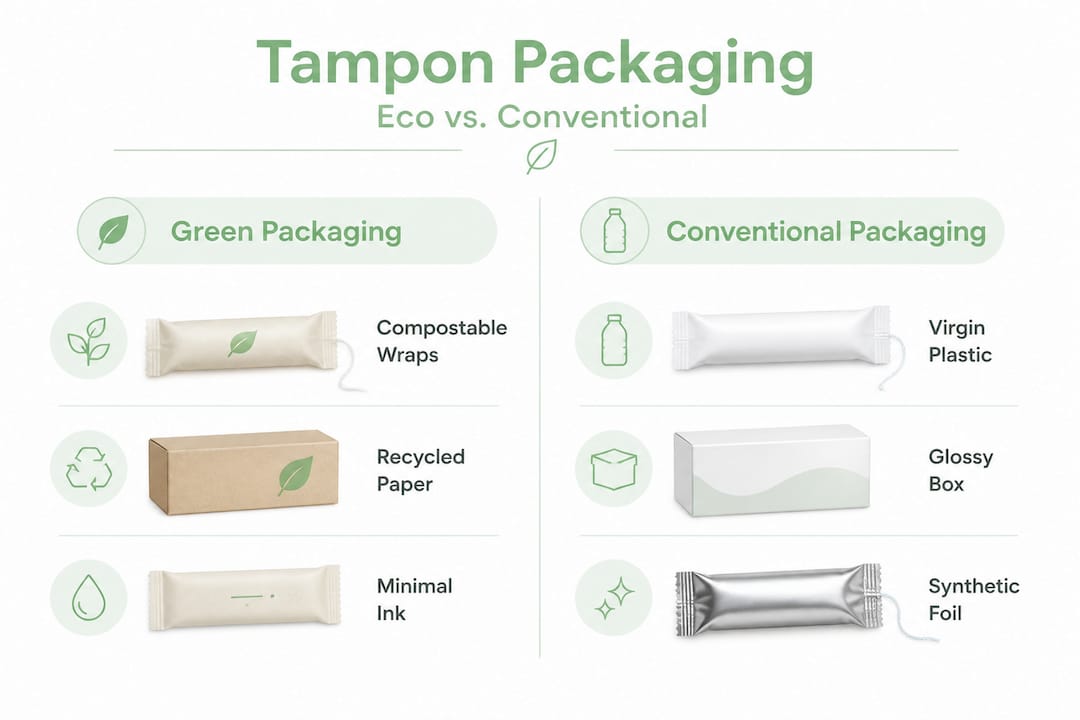
Green packaging is not a single material or a color scheme. It’s a set of criteria that covers what a package is made from, how it’s made, whether it can be recycled or composted, and how much waste it generates in the first place. For tampons specifically, that covers the outer box, the individual wrapper around each tampon, and any applicator that ships inside.
The most common materials that qualify as green include:
- Recyclable cellulose paper or wood pulp wrappers sourced from responsibly managed forests
- Recyclable cardboard outer boxes that can go straight into your curbside bin
- Biodegradable wraps made from plant-derived films that break down without leaving microplastic residue
- Recycled plastics, where plastic cannot be avoided, that contain a meaningful proportion of post-consumer material
Third-party certification is where green claims get tested. The Nordic Swan Ecolabel standards require that plastic packaging, if used at all, must contain at least 35% recycled content and be fully recyclable. Cellulose paper, wood pulp wrappers, and cardboard are preferred because they meet this bar more easily and have lower environmental footprints across production.
What doesn’t qualify? Commingled materials that can’t be separated at a recycling facility, wrappers printed with heavy-metal inks that contaminate recycling streams, and packaging labeled “eco” without any third-party verification. That last category is greenwashing, the practice of making a product look sustainable through marketing language rather than actual environmental performance.
| Packaging type | Recyclable | Biodegradable | Common certification |
|---|---|---|---|
| Cardboard box | Yes | Yes (uncoated) | FSC, Nordic Swan |
| Cellulose wrapper | Yes | Yes | Nordic Swan |
| Standard plastic | Sometimes | No | Rarely certified |
| Recycled plastic (35%+ PCR) | Yes | No | Nordic Swan eligible |
| Compostable plant film | No (most streams) | Yes | TÜV, BPI |
“Common materials in green tampon packaging include recyclable cellulose paper or wood pulp wrappers, recyclable cardboard boxes, and biodegradable materials; plastic packaging, if used, must contain at least 35% recycled content and be recyclable.” — Nordic Swan Ecolabel Background Document on Sanitary Products
Understanding these layers is essential before shopping because it informs your reading of menstrual product health and sustainability from both a body-safety and environmental angle.
Materials and innovations: what’s inside the box?
Knowing what qualifies as green is step one. Step two is understanding how different materials actually compare when you put them side by side. The gap between “sounds sustainable” and “actually sustainable” is where a lot of consumers get misled.
Here’s a practical comparison:
| Material | Carbon footprint | Compostable | Recyclable | Pitfall |
|---|---|---|---|---|
| Virgin plastic | High | No | Sometimes | Fossil fuel source |
| Recycled plastic | Medium | No | Yes (if sorted) | Not compostable |
| Bio-based LDPE (e.g., sugarcane) | Low to negative | No | Sometimes | Looks green but persists in environment |
| Uncoated cardboard | Low | Yes | Yes | Wax or foil coatings ruin recyclability |
| Plant-based compostable film | Low | Yes (industrial) | No | Needs specific composting facility |
One innovation worth examining is bio-based low-density polyethylene (LDPE), derived from sugarcane. A notable example: Daye’s bio-based applicator uses sugarcane-derived plastic that is carbon-negative in production but does not biodegrade in soil or water once discarded. That distinction matters enormously. A material can be made from plants and still persist in the environment for centuries, which is why the truly green standard prefers fully plant-derived compostable options that leave no toxic residue.
Recent innovations gaining traction include:
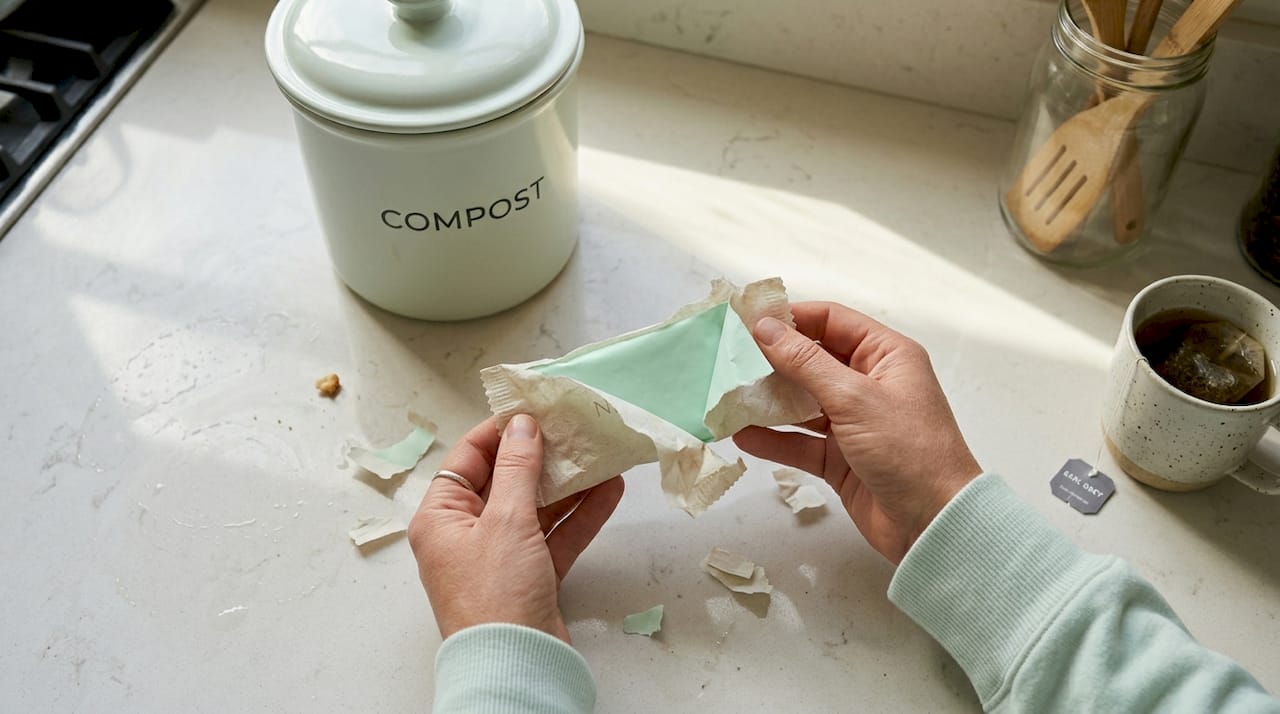
- Fully compostable individual wrappers made from cassava starch or PLA (polylactic acid) film
- Seed-embedded cardboard boxes that can be planted after use
- Water-based inks on outer packaging that don’t contaminate paper recycling
- Minimalist packaging design that removes secondary layers entirely
The pitfall with compostable materials is infrastructure. Most compostable films require industrial composting facilities operating above 140°F (60°C) to break down within 90 days. Tossing a “compostable” wrapper in your backyard pile may not produce the results the label implies.
Pro Tip: When evaluating a new tampon brand, look for two distinct certifications, one for the product itself (like GOTS for organic cotton) and one for the packaging (like FSC for paper or TÜV for compostable films). A brand carrying both has genuinely audited its environmental impact.
If you want to understand how packaging choices connect to overall product sustainability, a thorough breakdown of best types of eco-friendly tampons shows how materials inside and outside the box work together.
How applicator-free designs drive green packaging
Material innovation is one path to sustainability. Product design is another, and arguably the more powerful one. Eliminating the applicator entirely removes one of the largest sources of packaging waste in the tampon category.
Think about what an applicator adds: a plastic or cardboard tube, sometimes a separate grip piece, always additional material that serves a one-time purpose before being thrown away. Non-applicator tampons represent 35% of the market globally, and sustainable packaging is cited as a key differentiator driving that share upward. Brands and consumers are catching on.
The packaging waste comparison is striking. A standard plastic applicator tampon generates three distinct pieces of disposable material: the outer wrapper, the applicator body, and the applicator plunger. An applicator-free tampon generates one: the wrapper. That’s a 66% reduction in piece count per tampon, multiplied across every tampon in every box you buy across your entire menstruating life.
Here’s why applicator-free designs are considered a best practice by many environmental groups:
- Fewer materials in production. Less raw material sourced, less manufacturing energy consumed.
- Smaller package volume. More units fit in less space, reducing shipping emissions per tampon.
- Simpler disposal. Without mixed materials in an applicator, the remaining wrapper is easier to sort correctly.
- Lower cost potential. Fewer components often mean lower production costs that can be passed on to consumers.
- Design alignment with zero-waste goals. Applicator-free tampons fit naturally into a chemical-free tampon workflow where every element of your period care is evaluated for its impact.
Brands are responding to this demand. Cora’s applicator-free tampon is a direct market response to growing consumer preference for designs that eliminate single-use applicators entirely and reduce overall packaging burden.
Pro Tip: If switching to applicator-free tampons feels intimidating, start by replacing just one box in your routine. Most people find the learning curve is about two or three uses, and the long-term packaging reduction is worth that small adjustment period.
Sorting the facts: industry standards and consumer choices
You now have the knowledge of materials and design. The final piece is learning to read what’s in front of you when you shop, because packaging claims are everywhere and not all of them hold up.
Here’s what to look for:
- Third-party logos, not just brand claims. The Nordic Swan Ecolabel, FSC (Forest Stewardship Council), GOTS (Global Organic Textile Standard), and TÜV compostability marks are all independently audited. A brand printing its own leaf logo on the box is not the same thing.
- Specific recycled content percentages. Vague terms like “eco-conscious materials” mean nothing. Look for statements like “made with 35% post-consumer recycled content” that can be verified.
- Clear disposal instructions. Genuinely green packaging tells you exactly what to do with it. If a brand can’t explain how to dispose of its packaging, that’s a warning sign.
- Cardboard vs. plastic outer box. An outer box made from cardboard is almost always the greener choice, assuming it’s uncoated and FSC certified.
“Individual wrappers are sometimes exempt from recycled content mandates in certain standards, but overall packaging must support sorting and recycling; applicator-free designs handle disposal challenges most effectively.” — Nordic Swan Ecolabel Background Document on Sanitary Products
That exemption for individual wrappers is worth knowing. Some certification programs don’t require the small per-tampon wrapper to meet the same recycled content rules as the outer box. This is a gray area that some brands exploit by advertising “certified eco packaging” while shipping tampons in individually wrapped conventional plastic.
A quick shopping checklist for genuinely green tampon packaging:
- Does the outer box carry a recognized third-party certification?
- Is the individual wrapper made from cellulose, compostable film, or recycled content?
- Is the applicator absent, cardboard, or made from bio-based/recycled material?
- Are disposal instructions printed clearly on the packaging?
- Does the brand publish an environmental impact report or transparency page?
Exploring menstrual products and greener choices provides additional context for evaluating the full environmental footprint beyond just the box.
Our take: why green packaging for tampons is only the start
Here’s the honest truth we’ve arrived at after years of thinking deeply about sustainable period care: packaging is the most visible part of the sustainability conversation, but it’s not the most important one. It’s just the easiest to market.
We see brands making a big deal of their recycled cardboard box while the tampons inside contain synthetic fragrances, chlorine bleach residues, or conventional cotton grown with heavy pesticide loads. The packaging looks green. The product tells a different story. Consumers who focus only on the box miss the larger picture entirely.
The lifecycle of a period product matters from field to body to landfill. Organic cotton cultivation uses significantly fewer synthetic inputs than conventional cotton farming. Processing without chlorine bleach avoids the creation of dioxin byproducts. Unscented tampons skip the chemical complexity of fragrance formulations. None of that shows up on the outer packaging, but all of it shapes your real environmental and bodily impact.
Our practical wisdom comes down to three things. Buy less by choosing the right absorbency for your flow so you’re not over-using. Choose thoughtfully by looking past packaging to what’s actually inside the tampon. And spread awareness because your choices influence the people around you, and collective demand is what pushes the whole industry toward higher standards.
The eco period care perspective we hold is this: green packaging is the entry point, not the destination. Use it as your first filter, then keep asking questions about everything else.
Ready to go green? Explore truly sustainable tampon options
If this guide has shifted how you think about your period products, the next step is simple: put that knowledge into practice with products that actually meet the standard.
At Tampon Tribe, every box is designed around genuine sustainability, not just the appearance of it. Our packaging is plastic-free, and our tampons are made from certified organic cotton without synthetic fragrances, chlorine processing, or unnecessary additives. If you’re ready to switch to natural tampons, the process is straightforward. You can explore our range of organic cotton tampons and find the right absorbency for your cycle, or simplify your routine further with organic subscription tampon boxes delivered on your schedule so you’re never reaching for a conventional backup in a pinch.
Frequently asked questions
What materials are used in green tampon packaging?
Green tampon packaging typically uses recyclable cellulose paper, cardboard, biodegradable plant-derived wraps, or recycled plastic containing at least 35% post-consumer content. Third-party certification like the Nordic Swan Ecolabel confirms these materials meet verified environmental standards.
Do applicator-free tampons always have greener packaging?
Applicator-free designs eliminate single-use applicators entirely, which substantially reduces the total amount of packaging material generated per tampon used. While the individual wrapper still matters, removing the applicator is consistently the bigger environmental win.
How can I identify if packaging is genuinely sustainable?
Look for independently audited marks like the Nordic Swan Ecolabel, FSC, or TÜV compostability certification, and verify that the brand specifies recycled content percentages rather than using vague eco-language. Clear disposal instructions on the packaging are also a strong indicator of genuine transparency.
Does green tampon packaging cost more?
Some certified green options carry a slight price premium, but non-applicator tampons representing 35% of the global market shows that demand is driving broader availability and more competitive pricing. Subscription models often bring the cost of sustainable options in line with conventional alternatives.