


Picking up a box of tampons at the drugstore feels routine, even trivial. But what if that simple choice quietly exposed you to industrial chemicals, fed a plastic crisis, and cost you thousands of dollars over a lifetime? Conventional period products contain harmful chemicals like PFAS and plastics, with consequences that stretch far beyond your bathroom cabinet. The average woman menstruates for about 40 years, and every product she reaches for during that time carries a story about manufacturing, ingredients, and waste. This guide cuts through the noise so you can make choices that work for your body and the planet.
Table of Contents
- What’s in conventional menstrual products?
- Environmental cost: Why disposables are a disaster
- Reusable and organic options: What’s best for your body and the planet?
- Cost, convenience, and what most people miss
- The uncomfortable truth: Why your menstrual choices ripple beyond your cycle
- Discover safer, sustainable options with Tampon Tribe
- Frequently asked questions
Key Takeaways
| Point | Details |
|---|---|
| Hidden chemicals matter | Many conventional products contain harmful chemicals and lack ingredient transparency. |
| Disposable waste is massive | Disposables generate billions of plastic products yearly, polluting land and oceans. |
| Reusable products are best | Reusable menstrual cups, pads, and underwear cut waste and save money long-term. |
| Certifications offer safety | GOTS and OEKO-TEX certified products are preferable for health and environmental standards. |
| Choice ripples outward | Your product decisions affect not only your health but broader social and environmental wellbeing. |
What’s in conventional menstrual products?
Most of us never read the ingredient list on a pad or tampon box because there often isn’t one. That silence is telling. Conventional disposable period products frequently contain a cocktail of synthetic materials and industrial chemicals that you’d never knowingly apply to sensitive tissue.
Research flagged in the Earth Day period product report found PFAS (per and polyfluoroalkyl substances, a group of persistent industrial chemicals) in nearly half of all pads tested and in roughly one in five tampons. These are the same chemicals linked to hormonal disruption, immune suppression, and certain cancers. Beyond PFAS, conventional products may contain phthalates (chemicals that make plastics flexible), organophosphate esters (OPEs used as flame retardants), and alkylphenols (APs), all of which are associated with endocrine disruption.
Here’s why this matters more for menstrual products than for, say, a plastic water bottle. The vaginal wall is among the most absorptive tissues in the human body. What contacts it enters the bloodstream faster and more completely than chemicals absorbed through skin elsewhere. Wearing a product for hours, month after month, adds up to significant cumulative exposure.
Regulation hasn’t kept pace with the science. Gaps in oversight mean manufacturers aren’t required to disclose every ingredient, and as noted in research on period product regulation, even reusable options sometimes contain unnecessary antimicrobials like silver, added purely as a marketing feature without proven benefit.
Chemical concerns to know about:
- PFAS: Found in nearly 50% of conventional pads; linked to hormonal and immune effects
- Phthalates: Plasticizers that may disrupt estrogen and testosterone balance
- OPEs: Flame retardants associated with reproductive toxicity
- Dioxins: Byproducts of chlorine bleaching used to whiten cotton and rayon
- Fragrances: Catch-all category that can mask dozens of unlisted synthetic chemicals
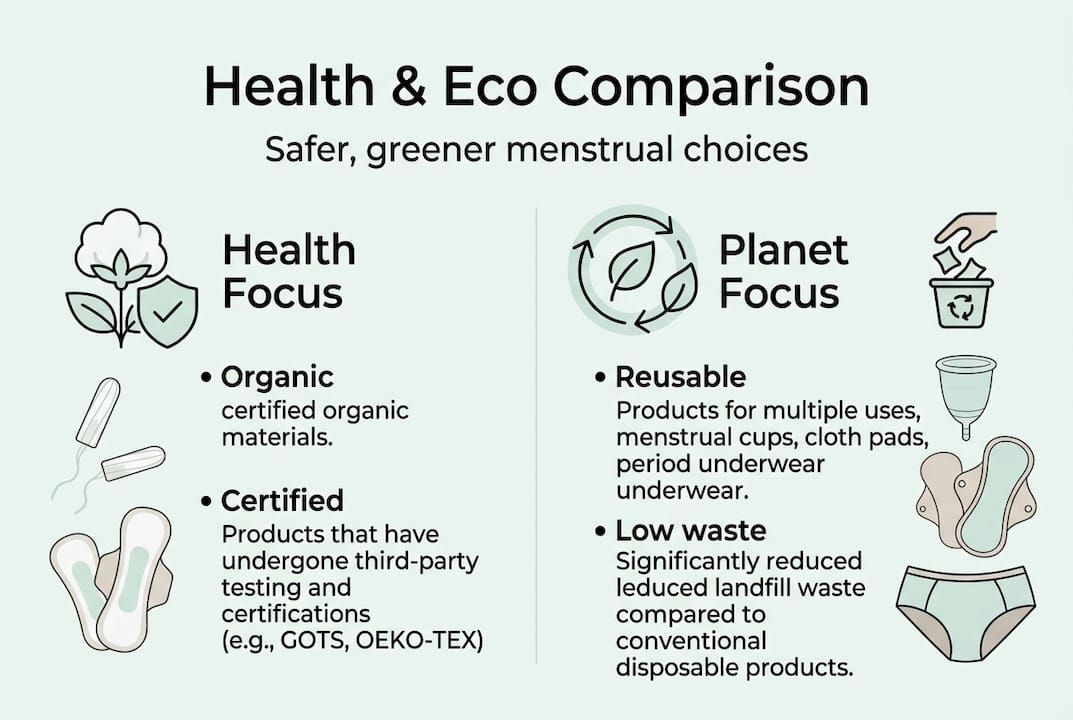
Pro Tip: When shopping for health-conscious menstrual options, look for GOTS (Global Organic Textile Standard) or OEKO-TEX certification on the label. These third-party standards independently verify that a product is free from harmful chemical residues, giving you real accountability rather than just marketing language.
If you want to go deeper on what these certifications actually test for, organic period products are a solid place to start your research.
Environmental cost: Why disposables are a disaster
The chemical load in conventional period products is a personal health concern. The plastic load is a planetary one.
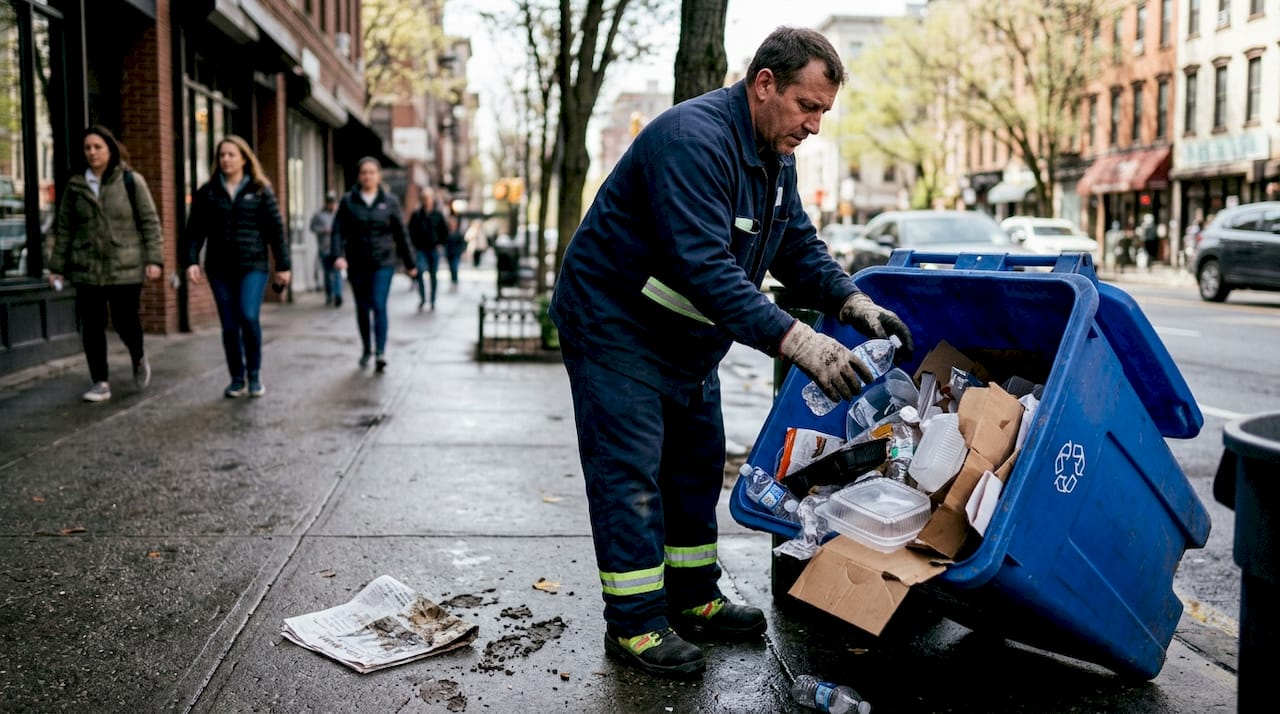
Up to 17,000 pads and tampons are used per person over a lifetime, and the overwhelming majority of those products are made of up to 90% plastic. A single disposable pad can contain as much plastic as four grocery bags. Once thrown away, these products sit in landfills or wash into waterways for 500 to 800 years before they even begin to break down.
| Product type | Plastic content | Decomposition time |
|---|---|---|
| Conventional pad | Up to 90% plastic | 500-800 years |
| Conventional tampon | Plastic applicator + synthetic fibers | 500+ years |
| Organic cotton tampon | Minimal to none | Months to years |
| Menstrual cup (silicone) | None (reusable) | Decades (reused) |
| Reusable cloth pad | None | Compostable after use |
In the US alone, 19 to 20 billion period products are discarded every single year. Many end up in oceans, where they fragment into microplastics that enter the food chain, accumulate in marine animals, and eventually cycle back to us. Beaches around the world regularly rank used menstrual products among the most common found debris.
“The period product industry generates staggering plastic waste that most people never connect to their bathroom habits. The environmental cost is invisible until it isn’t.”
The good news is that switching makes a real difference. Reusable products reduce plastic waste by 95 to 99%, with menstrual cups showing the lowest overall environmental footprint in lifecycle studies. That’s not a marginal improvement. It’s a near-total elimination of your period’s plastic output.
Thinking about the menstrual products environmental impact in your own life is a useful starting point, and understanding how period products affect the environment beyond just landfills, including water use in cotton farming and transportation emissions, gives you a fuller picture of what your choices actually cost.
Why disposables keep winning despite the evidence:
- Heavy marketing budgets normalize single-use products as the default
- Period poverty means many people have no real choice
- Convenience culture undervalues long-term thinking
- Lack of education in schools about reusable options
Reusable and organic options: What’s best for your body and the planet?
Now for the options that actually solve the problem. Not all sustainable period products work the same way or suit every person, so understanding your choices matters.
Top reusable and organic alternatives:
- Menstrual cups (silicone or natural rubber): Collect rather than absorb flow, last up to 10 years, and according to lifecycle analysis data, generate 95 to 99% less waste than disposables while carrying the lowest environmental impact of any period product category.
- Reusable cloth pads: Washable cotton or bamboo pads that eliminate applicator and wrapper waste; comfortable for lighter flow days and sleep.
- Period underwear: Built-in absorbent layers handle light to heavy flow; easy for beginners and ideal for teens.
- Organic cotton tampons and pads: Disposable but without synthetic pesticide residue or plastic content; a strong transitional option for those not ready for reusables.
- Bamboo-based products: Bamboo pads show lower environmental impacts than conventional in key categories including photochemical oxidation, fossil fuel use, and water scarcity, making them a meaningful upgrade even within the disposable category.
| Product | Waste reduction | Chemical exposure | Cost over 10 years | Best for |
|---|---|---|---|---|
| Menstrual cup | 95-99% | Very low | ~$40-60 | Committed switchers |
| Reusable pad | 90-95% | Low | ~$80-150 | Home-based users |
| Period underwear | 85-95% | Low | ~$150-250 | Beginners, teens |
| Organic tampon | Moderate | Low | ~$600-900 | Transitioning users |
| Conventional tampon | None | High | ~$1,800+ | N/A |
An LCA (lifecycle assessment) review found that organic disposables actually perform worse than reusables environmentally, largely because organic cotton farming is resource-intensive. That doesn’t make them a bad choice compared to conventional products, but it does reinforce that reusables are the gold standard.
Pro Tip: If you’re curious about eco-friendly menstruation but not sure where to start, menstrual cups are easier than most people expect. There’s a learning curve, but resources specifically designed for trying a menstrual cup for the first time can make the transition far smoother.
Always look for GOTS or OEKO-TEX certification on any product you choose, reusable or disposable. Third-party testing is the only way to verify what you’re actually putting in or near your body.
Cost, convenience, and what most people miss
Let’s talk money. Disposable period products have become quietly expensive. Prices have surged 40% since 2020, and the average person now spends over $150 to $200 per year on them. Over a decade, that’s a serious financial drain.
Reusables flip that equation. Reusables save up to 95% compared to disposables over ten years. A quality menstrual cup costs $30 to $50 once, lasts a decade, and replaces thousands of individual products. Even reusable pads or period underwear, which require a larger upfront investment, pay for themselves within one to two years.
But convenience is real, and pretending it isn’t helps no one. Here are the practical challenges worth knowing:
- Fit and size: Menstrual cups come in different sizes and shapes. Finding the right fit may take one or two tries.
- Public restrooms: Emptying a cup in a public stall without a sink nearby requires either a water bottle or a specially designed no-rinse option.
- Cleaning routines: Improper hygiene is the main risk factor with cups. Boiling between cycles and rinsing between emptying is non-negotiable.
- TSS risk: Cups carry a risk of toxic shock syndrome if worn for more than 12 hours. This risk is very low but real, especially if you forget about them overnight.
- IUD compatibility: If you have an intrauterine device, cups may create suction that could dislodge it. Talk to your provider before switching.
- Chemical concentration in reusables: Some reusable products contain additives at higher concentrations than disposables, even if total exposure is lower. Choosing certified products matters.
Pro Tip: If you’re exploring silicone-free menstrual cups, check the material composition carefully. Some people prefer natural rubber options, especially if they have sensitivities to synthetic silicone compounds.
The uncomfortable truth: Why your menstrual choices ripple beyond your cycle
Here’s what the wellness industry rarely says plainly: the period product market has been largely unregulated for decades, and that wasn’t an accident. Manufacturers have had little incentive to disclose ingredients or reformulate products when there’s no legal pressure to do so.
When we talk about “choice” in period care, we have to be honest about what that really means. Choice requires information, and information has been systematically withheld. The fact that certification and informed sourcing are critical isn’t a minor footnote, it’s the whole story. Real informed choice means demanding that brands disclose what’s in their products, prove their claims with third-party testing, and stop hiding behind vague terms like “freshness” and “comfort.”
Small, individual changes do matter, even if systemic change matters more. When enough people stop buying conventional products, the market responds. Every person who switches to certified organic or reusable products is a signal that accountability sells. That’s not naive optimism. That’s how markets work.
Your sustainable menstruation choices aren’t just personal health decisions. They’re votes for the kind of industry you want to exist.
Discover safer, sustainable options with Tampon Tribe
Reading about chemical risks and plastic waste can feel heavy, but the path forward is genuinely simple. Every product you choose with intention is a step toward a safer cycle and a cleaner planet.
At Tampon Tribe, every product is certified organic, plastic-free, and built around transparency. Whether you’re ready to switch to natural tampons for the first time or looking for organic cotton tampons that actually tell you what’s inside, you’ll find options that match your values without sacrificing comfort. If you’re exploring reusables, our reusable cotton pads make it easy to start small and build from there. Your body and the planet are worth the upgrade.
Frequently asked questions
Are organic menstrual products truly better for your health?
Organic products skip harmful chemicals like PFAS and phthalates found in conventional options, reducing chemical exposure to highly absorptive vaginal tissue and supporting long-term reproductive health.
How much plastic waste do disposable menstrual products create?
The average person discards around 17,000 products made of 90% plastic over a lifetime, and those products take 500 to 800 years to decompose, leaching microplastics into oceans and ecosystems throughout.
What’s the safest reusable menstrual product?
Menstrual cups have the lowest environmental impact and minimal chemical release, but TSS risk increases if worn beyond 12 hours, so proper cleaning and timely emptying are essential for safe use.
Can I use reusable products if I have an IUD or limited access to laundry?
Menstrual cups may not suit IUD users because suction during removal could shift the device; reusable pads and period underwear also require consistent washing and drying access to stay hygienic and safe.
How can I make my period more eco-friendly without sacrificing convenience?
Start with certified organic pads or tampons as a low-effort upgrade, then gradually introduce reusable options like period underwear or menstrual cups as your comfort and routine allow.
Recommended
- Top health-conscious menstrual options for safer periods – Tampon Tribe
- Sustainable Menstruation: Eco-Friendly Choices for Healthier Cycles – Tampon Tribe
- How menstrual products impact the environment: greener choices – Tampon Tribe
- How organic period products impact health & sustainability – Tampon Tribe