


Many people assume that feminine hygiene products are inherently safe, ethical, and kind to the planet. But that assumption has a blind spot. Some conventional brands still test on animals, and most shoppers have no idea this is happening. This article breaks down what cruelty-free really means in the context of period care, why it matters for your health and values, how regulations actually work, and how to shop with real confidence. Whether you’re new to conscious period care or looking to sharpen your approach, you’ll walk away with practical tools and a clearer picture of what’s actually in (and behind) your period products.
Table of Contents
- What does cruelty-free mean in feminine hygiene?
- Why does cruelty-free matter for your health, ethics, and the environment?
- Current regulations: Where does animal testing fit in feminine hygiene?
- How to choose cruelty-free feminine hygiene products with confidence
- Why cruelty-free matters more than ever: A fresh perspective
- Shop smart: Your next steps for cruelty-free period care
- Frequently asked questions
Key Takeaways
| Point | Details |
|---|---|
| Cruelty-free defined | Cruelty-free feminine hygiene products are made without animal testing at any stage. |
| Why it matters | Choosing these products supports animal welfare, ethical values, and can improve your health. |
| Regulatory gray areas | The FDA does not require animal testing for tampons or pads, leaving room for consumer influence. |
| How to choose wisely | Look for certified cruelty-free logos, research brands, and check for transparency in products and practices. |
What does cruelty-free mean in feminine hygiene?
The phrase “cruelty-free” gets used a lot, but in the world of feminine hygiene, it carries a very specific meaning. A genuinely cruelty-free product is one where no animal testing took place at any stage of development, from ingredient sourcing to finished product. Ideally, this is backed by third-party verification from organizations like Leaping Bunny or PETA’s Beauty Without Bunnies program.
Here’s the part that surprises most people: feminine hygiene products aren’t regulated the same way cosmetics are. In the U.S., tampons and pads are classified as medical devices, which puts them under a different regulatory umbrella. That classification opens the door to biocompatibility testing, and in some cases, that testing involves animals. Some conventional brands test on animals while cruelty-free alternatives avoid this entirely.
Types of animal testing that may still appear in this category include:
- Irritation and sensitization tests on rabbits or guinea pigs
- Biocompatibility studies required or recommended for medical devices
- Toxicology tests for new chemical compounds used in absorbency or fragrance
- Reproductive and developmental toxicity studies for novel materials
The industry-wide assumption has long been that because tampons and pads are “just cotton,” there’s nothing to test. But conventional products often include synthetic fibers, fragrances, bleaching agents, and chemical coatings. Each of those ingredients can trigger testing protocols.
“Cruelty-free in feminine hygiene isn’t just a feel-good label. It’s a meaningful commitment that requires intentional sourcing, transparent manufacturing, and a willingness to say no to shortcuts.”
Consumer awareness is genuinely shifting how brands operate. When shoppers start asking questions and choosing differently, companies respond. That’s already happening with menstrual cups and organic cotton options, which tend to sidestep the animal-testing issue altogether by using simpler, well-understood materials that don’t require the same testing burden.
The bottom line: cruelty-free in this category is not automatic. It requires brands to actively choose it, and it requires you to actively look for it.
Why does cruelty-free matter for your health, ethics, and the environment?
Once you understand what cruelty-free actually means, the reasons to seek it out come into sharper focus. This isn’t about virtue signaling. It’s about making choices that connect your health, your values, and your environmental footprint.
Health benefits you can feel
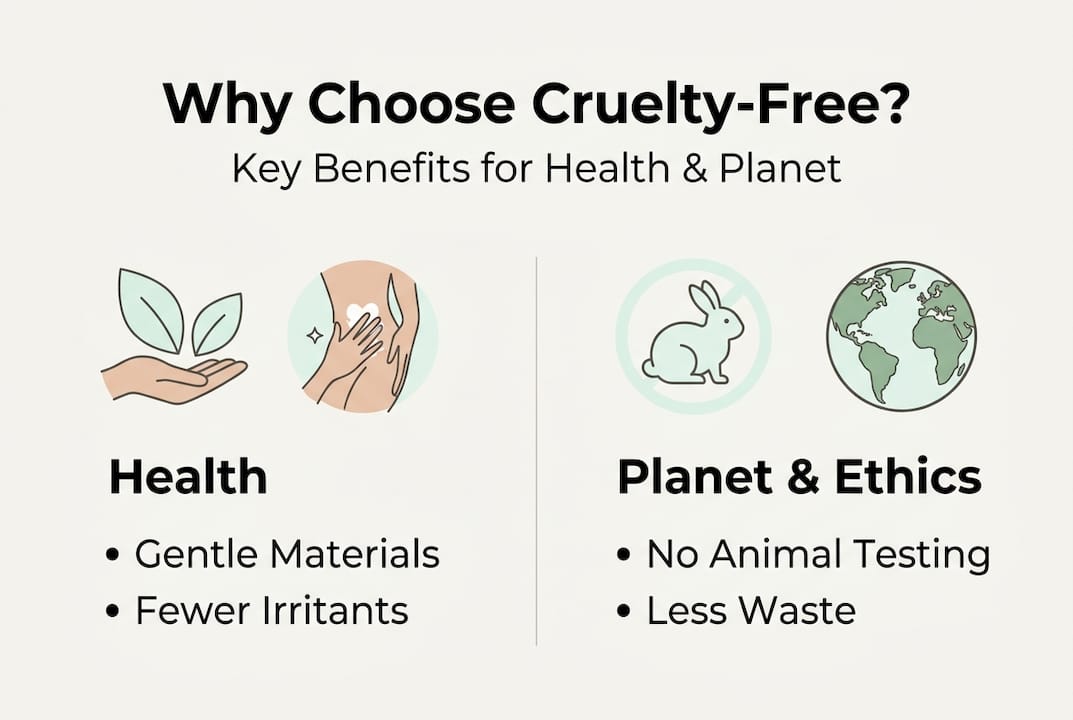
Conventional period products can contain pesticide residues, synthetic fragrances, dioxins from chlorine bleaching, and plastic-derived materials. These aren’t just ethical concerns. They’re practical ones. Products that skip animal testing are often simpler in their formulation, which tends to mean fewer irritants and allergens. If you’ve ever experienced unexplained itching, irritation, or recurring infections, the ingredients in your products may be a factor worth investigating.
Here’s a quick look at what cruelty-free products typically offer:
- Fewer synthetic chemicals that can disrupt vaginal pH
- No animal-derived additives like lanolin or certain binders
- Cleaner ingredient lists that are easier to evaluate
- Lower risk of allergic reactions from fragrance-free formulations
Ethical alignment that lasts
Your purchase decisions are a form of advocacy. 73.9% of shoppers actively seek out cruelty-free products, driven by both ethical values and a desire to reduce harm. That’s not a niche group anymore. That’s a movement. Choosing cruelty-free period care means your money supports brands that have made a concrete commitment to animal welfare, not just brands that happen to use the word “natural” on their packaging.
A smaller environmental footprint
Cruelty-free brands in the period care space frequently overlap with sustainable practices. They tend to use organic cotton tampons benefits, plastic-free packaging, and biodegradable materials. Animal agriculture and testing facilities both carry significant environmental costs, so brands that eliminate animal involvement tend to operate with a lighter footprint overall.
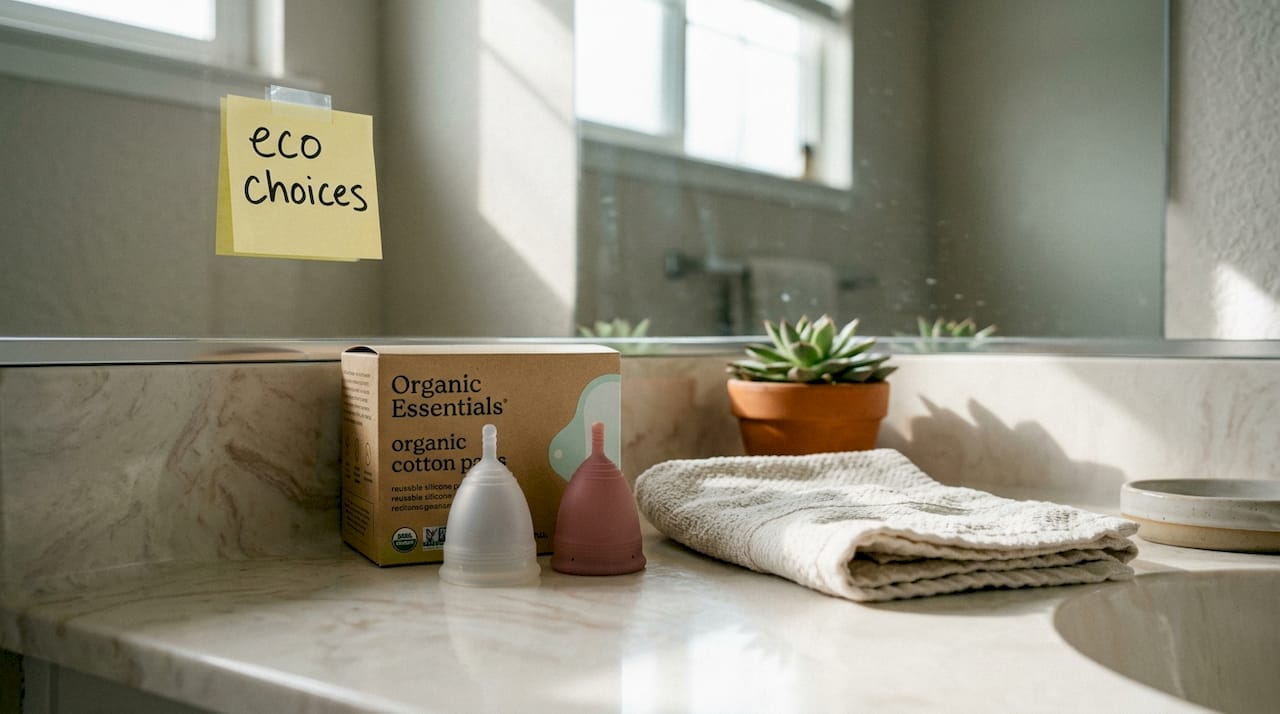
Pro Tip: When shopping for period care, look for BOTH a cruelty-free certification AND a natural materials certification (like GOTS-certified organic cotton). Neither label alone tells the full story, but together they give you a much stronger signal that a product is genuinely clean.
Current regulations: Where does animal testing fit in feminine hygiene?
Regulations in this space are less clear-cut than most people expect. Understanding what the FDA does and doesn’t require helps you read brand claims more critically.
The FDA classifies most tampons and menstrual products as Class II medical devices. This means they must meet safety standards before going to market, and one component of that process is biocompatibility testing. The FDA recommends biocompatibility testing per ISO 10993, which includes a framework for evaluating whether materials are safe for body contact. Importantly, the FDA also supports the 3Rs principles: Replace, Reduce, and Refine animal testing wherever non-animal methods are feasible.
So the FDA is not mandating animal testing outright. But it’s also not guaranteeing brands won’t use it. The guidance leaves room for companies to choose animal-based biocompatibility studies if they consider it the most convenient or defensible path to regulatory clearance.
“The absence of a legal requirement to test on animals doesn’t mean the absence of animal testing. It just means it’s optional, and that’s where brand values step in.”
Meanwhile, PETA actively advocates against any regulatory framework that could expand animal testing for menstrual products, pushing instead for validated non-animal testing methods. Consumer activism and organizational pressure have already moved some major brands toward pledging cruelty-free practices.
| Aspect | FDA position | Industry reality |
|---|---|---|
| Animal testing requirement | Not mandated | Some brands still use it |
| Recommended framework | ISO 10993, 3Rs principles | Varies widely by brand |
| Non-animal alternatives | Supported when feasible | Slowly gaining adoption |
| Consumer pressure | Not a regulatory factor | Major driver of change |
This is why checking a brand’s animal testing policy, not just their ingredient list, matters. The product regulations FAQ can help you understand what to look for when evaluating transparency.
How to choose cruelty-free feminine hygiene products with confidence
Knowing the regulatory landscape puts you in a stronger position as a shopper. Here’s how to translate that knowledge into real purchasing decisions.
Step-by-step: Verifying cruelty-free claims
- Check for recognized certifications. Look for Leaping Bunny, PETA-certified, or Choose Cruelty Free logos. These require brands to meet specific, audited standards, not just self-declare.
- Read the brand’s animal testing policy. A genuine policy will state explicitly: no animal testing by the brand, its suppliers, or any third parties. Vague language is a red flag.
- Look at the ingredient list. Simpler is better. Fewer ingredients mean fewer opportunities for untested compounds that might require animal safety studies.
- Ask directly. Email the brand. How they respond (and how fast) tells you something about their commitment to transparency.
- Cross-reference with community reviews. Forums and ethical shopping communities often flag misleading claims faster than official certifications catch them.
Spotting greenwashing
Not every brand that says “natural” or “gentle” is cruelty-free. Watch for phrases like “not tested on animals where law permits” (which means they would test if required) or “cruelty-free ingredients” (which says nothing about the finished product). Consumer demand is so strong that even brands using organic cotton, like Rael and EveryLife, don’t always carry formal cruelty-free certifications, so organic and cruelty-free are not the same thing.
| Feature | What to look for | Red flag |
|---|---|---|
| Certification | Leaping Bunny, PETA | “We don’t test unless required by law” |
| Ingredients | Short, recognizable list | Synthetic fragrances, undisclosed chemicals |
| Packaging claims | Specific and verifiable | Vague terms like “eco-friendly” or “natural” |
| Brand policy | Explicit no-test statement | No policy available on website |
Pro Tip: Community-based review platforms are a goldmine. Real users often post their direct communications with brands, giving you access to brand responses that don’t always make it onto official websites. Check organic cotton teen pads reviews as an example of how transparent brands communicate.
Why cruelty-free matters more than ever: A fresh perspective
Most guides on cruelty-free shopping hand you a checklist and call it done. But the real story is more interesting and more urgent than that.
Certifications matter, yes. But real, lasting industry change only happens when enough people shift their buying habits consistently. One person switching brands is a data point. Millions of people doing it is a market signal that manufacturers can’t ignore. That’s the power you hold every month.
Here’s what most guides miss: there’s a gray zone between “bad” and “certified cruelty-free.” Some brands use genuinely clean, organic materials and avoid animal testing in practice without ever pursuing formal certification. That’s not dishonest. Certification costs money and time, and small ethical brands sometimes prioritize product quality over paperwork. But it does mean you can’t rely on labels alone. Asking questions, reading policies, and engaging with brands directly is your actual superpower as a consumer.
The other thing worth saying: good enough isn’t a permanent destination. Standards improve, new non-animal testing methods become validated, and brands that were once gray-area can become genuinely exemplary. Continuous progress matters more than a snapshot of perfection. Stay curious, keep asking, and hold brands to a standard that grows with the science.
Shop smart: Your next steps for cruelty-free period care
You now have a clear picture of why cruelty-free period care matters, what the regulations actually say, and how to shop without getting misled. The next step is putting those values into practice.
At Tampon Tribe, every product is designed with your health and the planet in mind. From organic cotton pads to organic cotton tampons, each option is made without harsh chemicals, synthetic fragrances, or unnecessary additives. Zero plastic packaging, transparent sourcing, and a genuine commitment to doing less harm are built into everything we make. Browse the full Tampon Tribe period care collection and find products that match both your body’s needs and your values. Cruelty-free, clean, and actually sustainable.
Frequently asked questions
Are all organic feminine hygiene products cruelty-free?
No. Organic refers to how the raw materials were grown, not whether the final product was tested on animals. Some brands using organic cotton do not carry specific cruelty-free certifications, so always check both.
Does the FDA require animal testing for tampons and pads?
Not specifically. The FDA recommends biocompatibility testing per ISO 10993 and supports non-animal alternatives through the 3Rs principles, but it does not mandate animal testing outright.
How can I tell if a product is truly cruelty-free?
Look for Leaping Bunny or PETA certification and review the brand’s full animal testing policy on their website. 73.9% of shoppers now seek this out, so reputable brands make their policies easy to find.
Are cruelty-free period products better for sensitive skin?
Often yes. Cruelty-free products tend to avoid the synthetic fragrances and chemical additives most linked to irritation and recurring infections, making them a smarter choice if your skin is reactive.
Recommended
- Top health-conscious menstrual options for safer periods – Tampon Tribe
- 100% Certified Organic Cotton Panty Liners | Gentle Daily Comfort – Tampon Tribe
- 100% Certified Organic Cotton Panty Liners | Gentle Daily Comfort – Tampon Tribe
- How organic period products impact health & sustainability – Tampon Tribe